

More Than What's in the Glass
The rise of the celebrity bartender turned pours into performances, even when a drink only lives for a moment.
| Estimated Reading Time: 6 Minutes
Bars and restaurants have been ushering out fall menus. The current tomato-watermelon martini is no longer in season, and the chokeberry whiskey milk punch is invoking far too much warm-weather mourning.
This is the first season I will have my own work on the menu: a low-ABV jasmine concoction with an Earl Grey cold foam. I didn’t comprehend the creativity that fills Nick and Nora glasses until I began bartending.
In my small Rolodex of memory, the concept was simply recipes and formulas. Non-imaginative.
Yet, as I craft this tea situation while my colleague creates at least five more, I’m in awe of the craftsmanship.
This artistry isn’t confined to our 24-seat restaurant in the Midwest. From the nooks and crannies of the country, and even internationally, it seems a cocktail program is essential to the F&B industry.

A classic Manhattan or a martini isn’t enough to fly when, for example, Grandam, a hotel restaurant in Louisville, Kentucky, serves up a dirty gin infused with chimichurri. And, even more to my point, no one finds this unusual anymore.
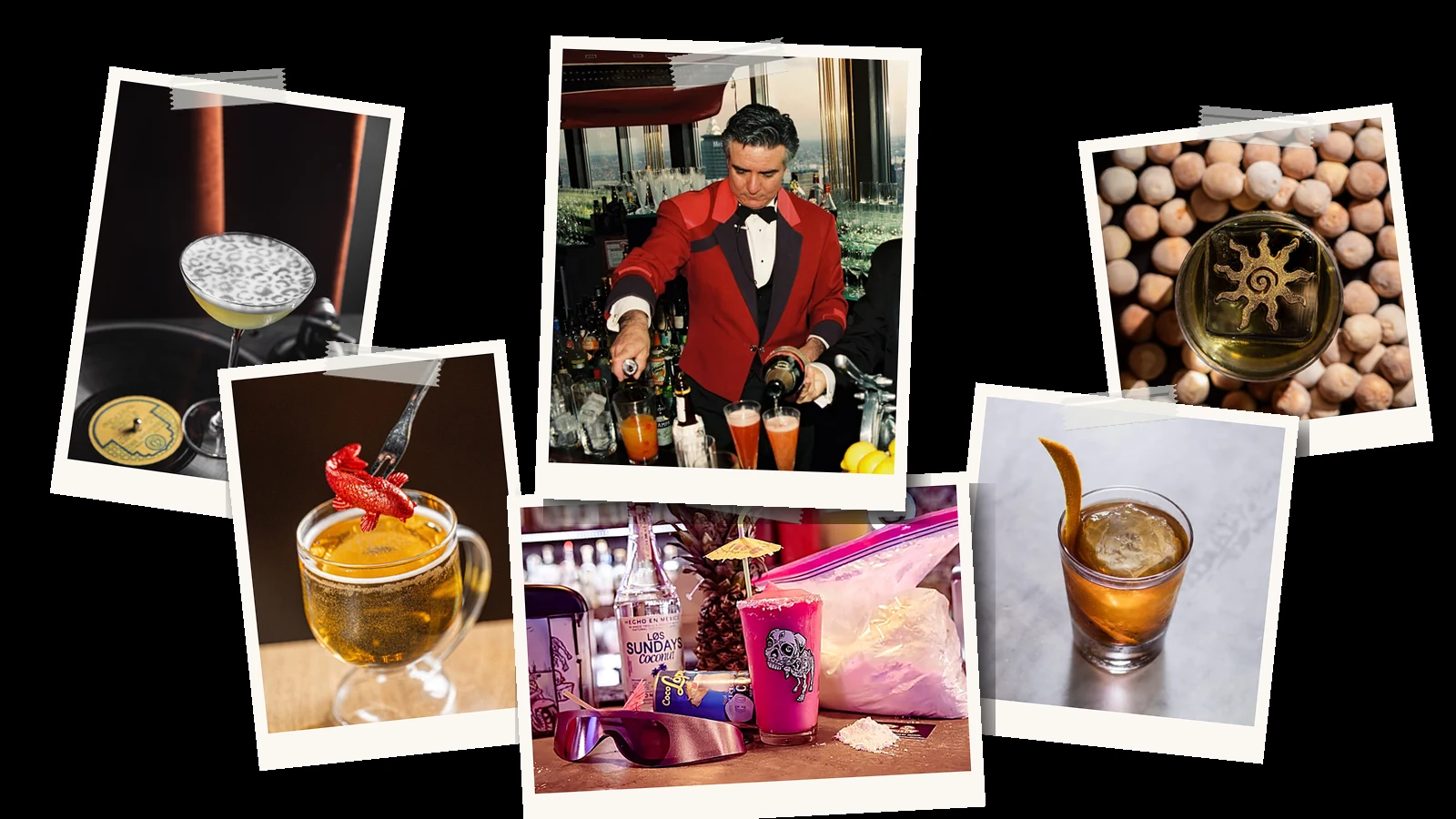
Drinks are decorated with obscure ingredients, custom glassware, and elaborate garnishes like an art school thesis. A “good restaurant” is increasingly expected to have a good bar, a good sip, and a unique glass to match the plate.
When did the cocktail stop being something you ordered alongside dinner and become one of the reasons you went?
The food industry, by contrast, has a solid foundation built on philosophy, awards, book deals, television appearances, and, of course, restaurants. This legacy was shaped by Julia Child and James Beard.
Child’s PBS show The French Chef, paired with Beard’s championing of indigenous ingredients, created a noticeable shift in cooking from simple sustenance into a respected, professional art form. By the 1980s, the word “foodie” was coined, reflecting a demographic that viewed dining out as a core lifestyle choice.
The ethos was established with the launch of “Food Network” in 1993. Those with little to no interest in their own kitchen began to read other chef’s memoirs and plan trips around dining at their establishments instead of staying at home.
The chef became an influence and an auteur.
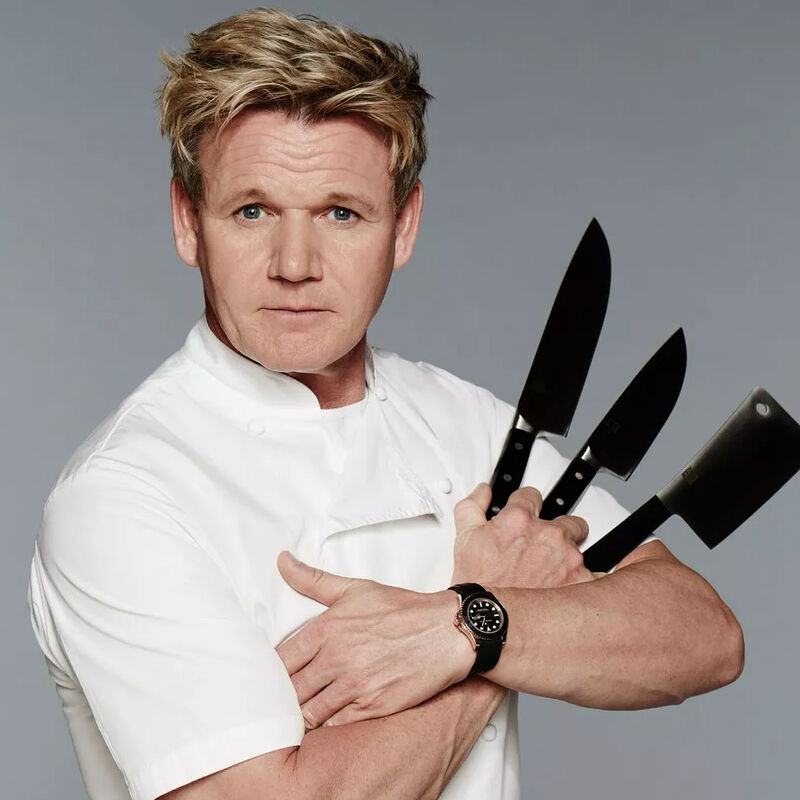
For much of American dining, chefs were a creative authority. By comparison, the bartender has generally been understood through personality and service.
Miranda wasn’t impressed with Steve because of an imaginative drink he made her, but because of their conversation and charm.
Don’t misunderstand here; there have always been spectacular bartenders. Jerry Thomas, granted “the father of American mixology”, was effectively a 19th-century celebrity bartender, but that wasn’t quite the same thing as the culinary artist.
The craft-cocktail movement was the pivot.
People started treating bartending as a discipline with history, technique, and creative authorship. Dale DeGroff, famously known as “King Cocktail,” served as the original head bartender at the legendary Rainbow Room in New York City from 1987 to 1999.
DeGroff drew inspiration from 19th-century mixologist Jerry Thomas to bring back forgotten pre-Prohibition and Deco-era cocktails.
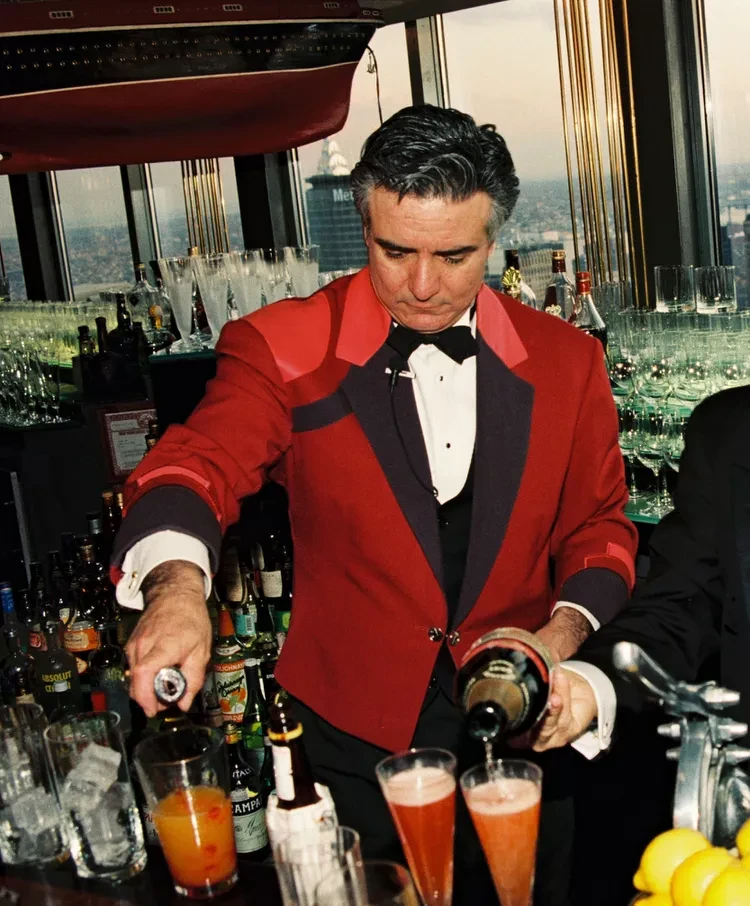
Work at the Rainbow Room reintroduced fresh citrus and quality spirits to high-end American bartending. Then Sasha Petraske’s Milk & Honey, opened in 1999, became enormously influential by treating cocktails with an almost obsessive seriousness.
Milk & Honey famously didn’t have a conventional menu. The bartender talked to you about what you liked and made something accordingly.
This small change reshaped the social relationship between bartender and guest. It was no longer an order to rattle off or a service worker to make it.
It was almost like commissioning art.
Josh McAlexander, a mixologist in Des Moines, compares the process to learning an instrument.
“It takes a lot of time and effort to understand how people taste and how to make something different than the cocktail books; it’s like learning an instrument. You start by learning other people’s music, then from a mix of what you’ve learned from other people and what you discovered, you start to create new stuff.”
JOSH McALEXANDER · DES MOINES
By the early 21st century, people were going out for the drink—food secondary or absent entirely.
Death & Co. is a great example. By the time its 2014 book appeared, the bar was described as a destination for serious drinkers, with its own recognizable creative philosophy, photography, stories, and cocktail repertoire.
Nicholas Haskell, a mixologist in New York City, recalls, “The golden age of bartending felt like roughly 2009 to 2014. That was a major creative explosion.”
The industry began formally recognizing the bar itself as an artistic object.
A bartender could now make something that other bartenders recognized and could reinvent. Milk & Honey produced drinks such as the Gold Rush and Red Hook; Death & Co., which opened in 2006, produced drinks such as the Oaxaca Old-Fashioned as well as the Naked and Famous.
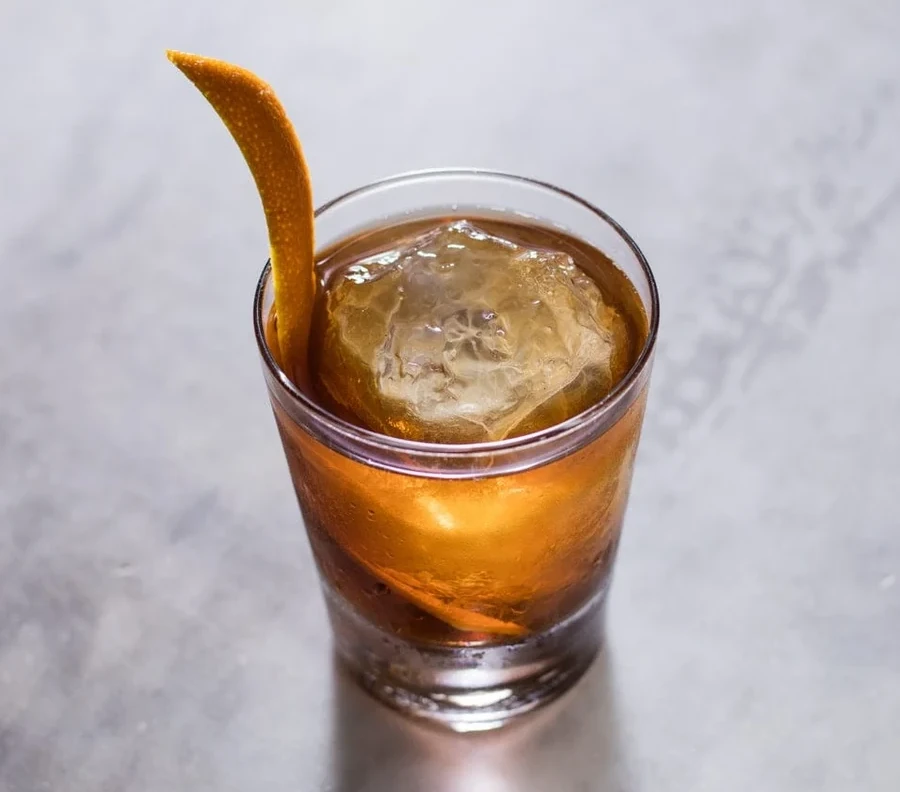
Someone might drink a cocktail in New York and six months later see it on a menu in San Francisco, London, or Chicago.
Tales of the Cocktail began awarding a “Mixologist/Bartender of the Year” in 2007. Its awards now explicitly recognize bartenders, bar teams, mentors, writers, brand ambassadors, and cocktail bars.
Social media didn’t create the craft-cocktail movement. Rather, it made the movement visible.
The artistic bartender was already emerging before the smartphone became the restaurant’s unofficial publicist.
But Instagram did change the economics of attention. The small, colorful, sculptural design now had visual currency.
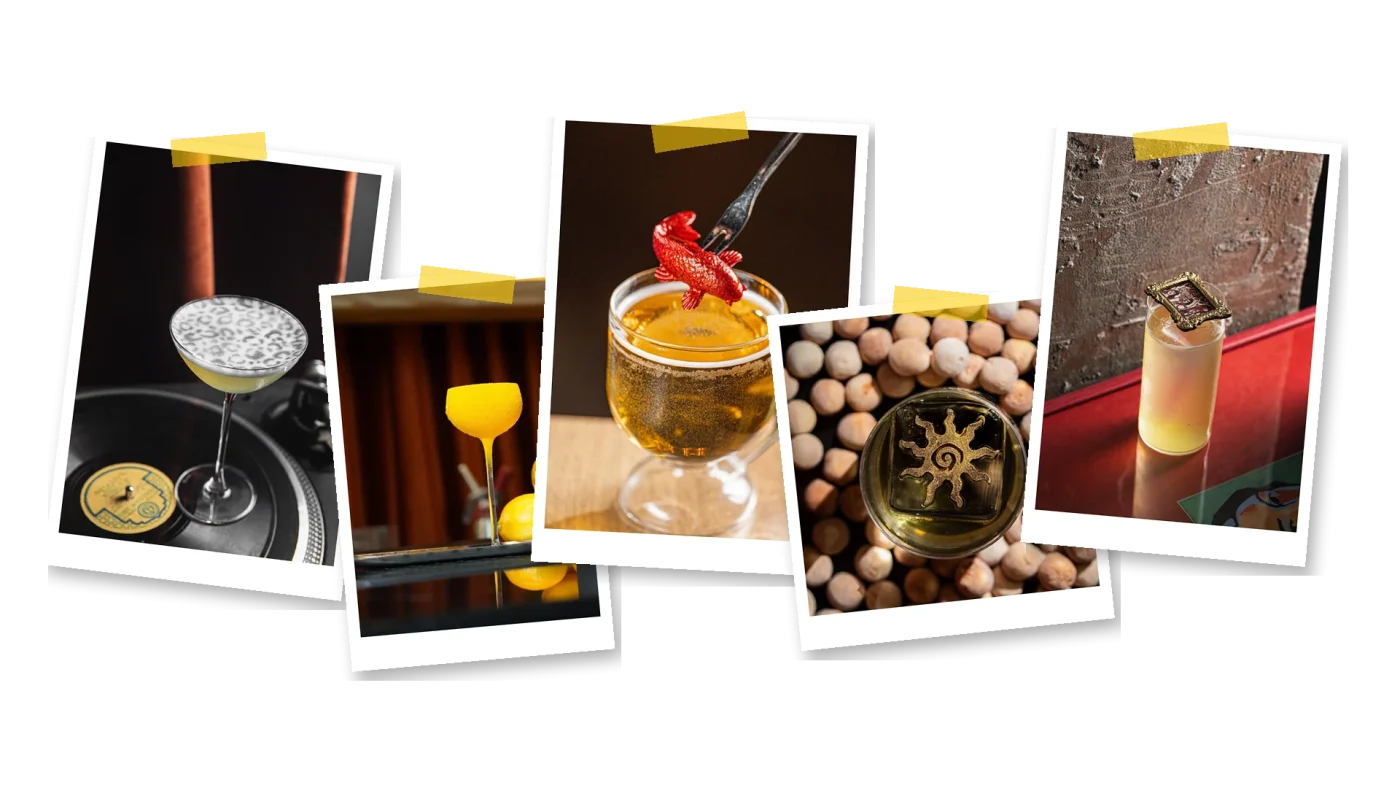
From Instagram on, the contemporary cocktail existed for multiple audiences. It had to taste appealing enough for the drinker, tell a story for the bartender, and look good for the camera.
Unlike the chef, the bartender has never been hidden in the kitchen. Shaking, pouring, and entertaining accompany the title, but now social media has extended the performance.
Ben Bourland, a mixologist in Des Moines, puts it simply:
“It’s a lot like music; each service is a performance. A lot of practice and planning go into creating an experience.”
BEN BOURLAND · DES MOINES
The performance isn’t just the showmanship of shaking a tin or setting a garnish. It’s the ability to reproduce an experience, night after night, without making it mechanical.
The bartender has to balance the stage and workplace. Social media has extended that stage beyond the room, giving bartenders their own audiences and, in some cases, turning their personal identities into the very thing that draws people through the door.
The bartender no longer derives their identity from the bar. The opposite exists.
The bar derives cultural value from the bartender. The restaurant used to make the chef famous.
Now sometimes the person makes the place famous.
But if the bartender is an artist, what exactly are they making?
Haskell believes a cocktail is “its own distinct medium, one built through texture, flavor, aroma, temperature, and presentation.” But the experience goes beyond the senses themselves.
A great cocktail can make you remember something, or feel something you weren’t expecting. Haskell describes how various aromas can call up the memory of his grandmother’s perfume or his aunt simmering wine, oranges, and cloves during the holidays.
His comparison of cocktails to live music resonates, particularly before recording technology made it possible to preserve a performance.
“Before sound could be preserved on a record, you had to be present in the moment to experience it,” he says. “You needed someone capable of producing it right then and producing it well.”
“Cocktails share that same fleeting quality. It has a brief period when it is truly alive, at the correct temperature, texture, and dilution, and then it changes or disappears.
“I adore that impermanence and the unique creative challenge it presents.”
“We can preserve the recipe or photograph the finished drink, but we cannot preserve the experience itself. There is no phonograph or digital download for a cocktail.”
NICHOLAS HASKELL · NEW YORK CITY
Of course, artistry isn’t just about the idea. It’s about execution.
A bartender can dream up the most imaginative combination of ingredients, but the drink still has to work in the glass. The garnish, glassware, ice, aroma, and atmosphere all contribute to what the guest experiences.
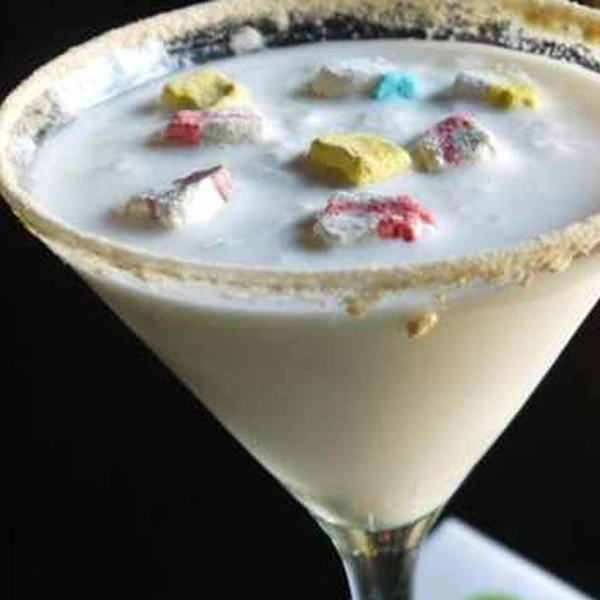
A cocktail can be technically impressive and still fail to communicate what its creator intended.
McAlexander explains the importance of getting the details right at Nothing Major, where the team makes everything from scratch, “from manipulating the base spirit to building our juices, down to the bitters.” The work takes time, he says, but it is worth it to control all the components in their cocktails.
That attention to detail is what separates intention from spectacle. A dramatic presentation, an unusual ingredient, or an elaborate technique can all be creative.
But McAlexander draws a distinction:
“When ideas or garnishment becomes unnecessary [it becomes gimmickry]. Putting extra ingredients, time, and techniques into a finished product muddies the concept.”
JOSH McALEXANDER · DES MOINES
It’s a useful distinction in an era when a drink’s appearance can travel farther than its flavor. The problem isn’t excess, novelty, or weirdness on their own.
It’s a disconnection.
Bourland offers a similarly straightforward measure: gimmickry begins “when it doesn’t make the experience of the drink better.” It’s a simple standard, but perhaps the right one.
Not every cocktail needs a smoke show or an obscure ingredient. Sometimes artistry is restrained.
This is also where the comparison between cocktails and music comes full circle. A musician can have all the right equipment and technical ability, but the performance still needs to communicate something.
A bartender can master the techniques, source the ingredients, and design a beautiful sip, but those elements have to come together to create a coherent experience.
Social media complicates that balance. A cocktail can now be experienced by people who never tasted it.
Its photograph travels farther than its aroma.
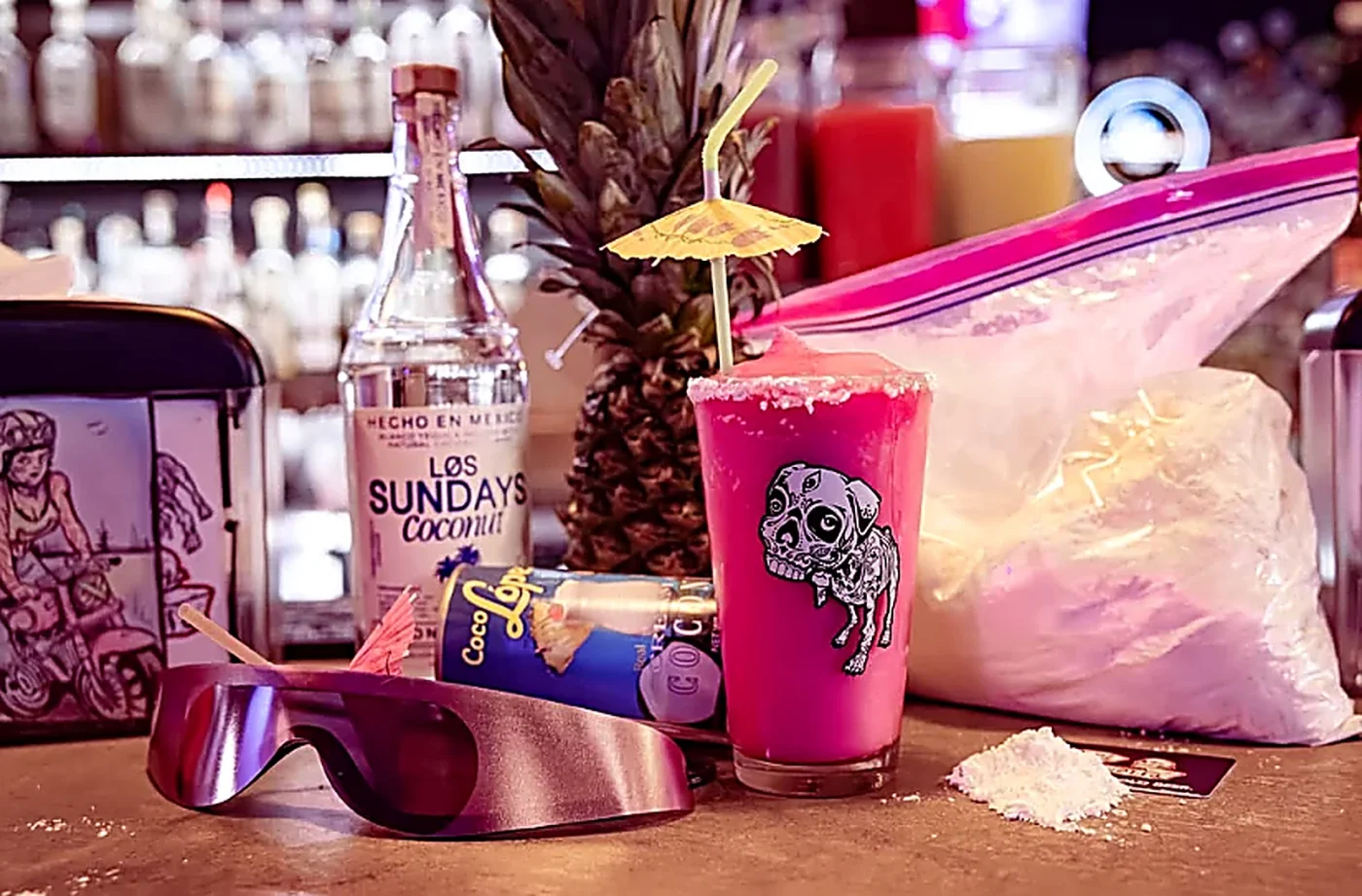
Still, I don’t think visual presentation is inherently at odds with artistry. A photograph can also communicate something real about a drink, just as a concert poster can communicate something about a musician.
The problem arises when the image becomes the entire point, when the drink is designed for the phone instead of the hand holding the glass.
The contemporary bartender is negotiating all of these demands at once: the history of the medium, the discipline of technique, the desire to create something original, the realities of service, and the growing expectation that a cocktail should be an experience worth sharing.
Perhaps this is what makes bartending such an interesting artistic discipline. A bartender studies the work that came before them, experiments with the ingredients and techniques available, and eventually develops a style of their own.
Then, every night, they perform that work again. The recipe might endure, and the photograph might circulate, but the experience itself belongs to those experiencing the artistry firsthand.
Maybe that’s why the bar has become more than an accessory to the restaurant. We aren’t always going out simply to eat or drink.
We’re going to see what someone has imagined, how they’ve translated it into something tangible, and how it makes us feel.
A cocktail doesn’t need to last forever to be art. It gives us something we couldn’t have experienced any other way.
Trending
Weighing Culinary Diplomas Against Kitchen Battle Scars
“I Was Wrong, Kinda”
Fear And Loathing In Woody Creek
Nuts & Napkins
The Manager On Duty
The 5 Best Cities for Restaurant Workers to live in 2026
Non-Slippin In The Kitchen
Suing The System

Hooking Up With Coworkers
Serving Philanthropy with a Side of Santo