



The 5 Best Cities for Restaurant Workers to live in 2026
We scored 55 metro areas on pay, cost of living, late-night grocery access, and weed laws to find out where F&B pros can actually build a decent life.

| Estimated Reading Time: Depends on What you are looking for
The best thing about working in F&B is that almost anywhere you go, there are jobs.
There are restaurants, bars, hotels and other hospitality businesses in every major and minor city in the country. If you have some experience in food and beverage, at least from my perspective, you can usually find somewhere that needs people.
So if you absolutely hate where you are, get the fuck out. Life is too short to stay somewhere that sucks.
If you’d like a little guidance on where to go next, or if you’re already planning to leave, this list is for you.
I took a stab at this once before, but this time I went much deeper.
I used a more detailed methodology, looked at a much larger group of cities, and made different considerations for Front of House and Back of House workers because, obviously, what makes a city great for a bartender or server isn’t always what makes it great for a line cook or sous chef.
The biggest question was simple:
Can an F&B’r build a decent life here with one primary restaurant/bar job?
Money matters a lot, but not just the number on your paycheck. I wanted to look at how much of that money you actually get to keep and what it buys you once you’re there.
That means wages and earning potential, state income taxes, cost of living and housing, job availability, safety, weather, and whether there are actually things to do when you’re not working.
And because restaurant workers don’t exactly live a nine to five lifestyle, and if you’re AM crew, we’re not the same, I also considered some things that most “best cities” lists probably don’t. Practical late night access matters.
One of my personal pet peeves is getting off work and realizing there is nowhere open to buy groceries.
I used to love going to the grocery store at midnight or one in the morning after a shift, and then I learned the hard way that this is not an option everywhere.
And I find myself racing to the supermarket to get there before 11. That sucks.
So I looked at things like late night grocery access, nightlife, and whether weed is legal and you can have it delivered to your door.
No city is going to be perfect for everyone.
Some people love cold weather. Some hate humidity.
Some want mountains, some want beaches, and some just want affordable rent and somewhere to go after work.
And one thing worth pointing out is that a lot of these cities finished really close to each other. In some cases, a fraction of a point separated one city from another.
So don’t look at #5 and #6 like one is great and the other suddenly sucks. Small differences in what matters most to you could easily change your own order.
But if you’re looking for the cities that give F&B workers the best overall combination of money, opportunity, and quality of life, this is where the numbers took us.
How We Ranked The Cities
We looked at roughly 55 U.S. metro areas and scored Front of House and Back of House separately using the same 100 point framework.
The biggest factors were earning opportunity and cost of living, followed by safety and access to jobs.
We also considered weather, things to do, and a few things that matter specifically to people who work restaurant hours, including legal recreational weed and whether you can actually buy groceries after a late shift.
FOH and BOH were scored differently where the jobs themselves demanded it.
For FOH, we did not try to invent an average amount of tips for every city.
Instead, we looked at the things that create earning opportunity: higher check restaurants, fine dining and steakhouses, luxury hotels and resorts, casinos where relevant, bars and nightlife, tourism and convention business, restaurant volume, consistency of work, the tipped cash wage, and state income taxes.
For BOH, we based the comparison around a normal full time schedule of approximately 40 hours a week. A city did not get extra points because cooks might be able to survive by working 50 or 60 hours.
Overtime is optional upside, not part of the baseline.
For BOH pay, we used Bureau of Labor Statistics metro wage data as the consistent starting point across cities.
Those numbers are market medians, not entry level wages and not a ceiling on what an experienced cook, lead, sous chef, or hotel or casino kitchen worker can make.
We then checked current job postings and employer career pages to make sure the better paying opportunities we were scoring actually existed.
No ranking like this can account for every individual situation. Your rent, your experience, the restaurant you get hired at, your commute, and what you personally care about can completely change which city makes the most sense for you.
Florida scoring note: Orlando and Tampa Bay reflect Florida’s scheduled September 30, 2026 wage increase. The regular minimum becomes $15 and the tipped cash wage becomes $11.98 per hour. Under the existing frozen scoring formula, Orlando and Tampa each gain approximately 0.52 FOH point compared with the September 26 source workbook. No methodology or weighting was changed.
FRONT OF HOUSEBACK OF HOUSE
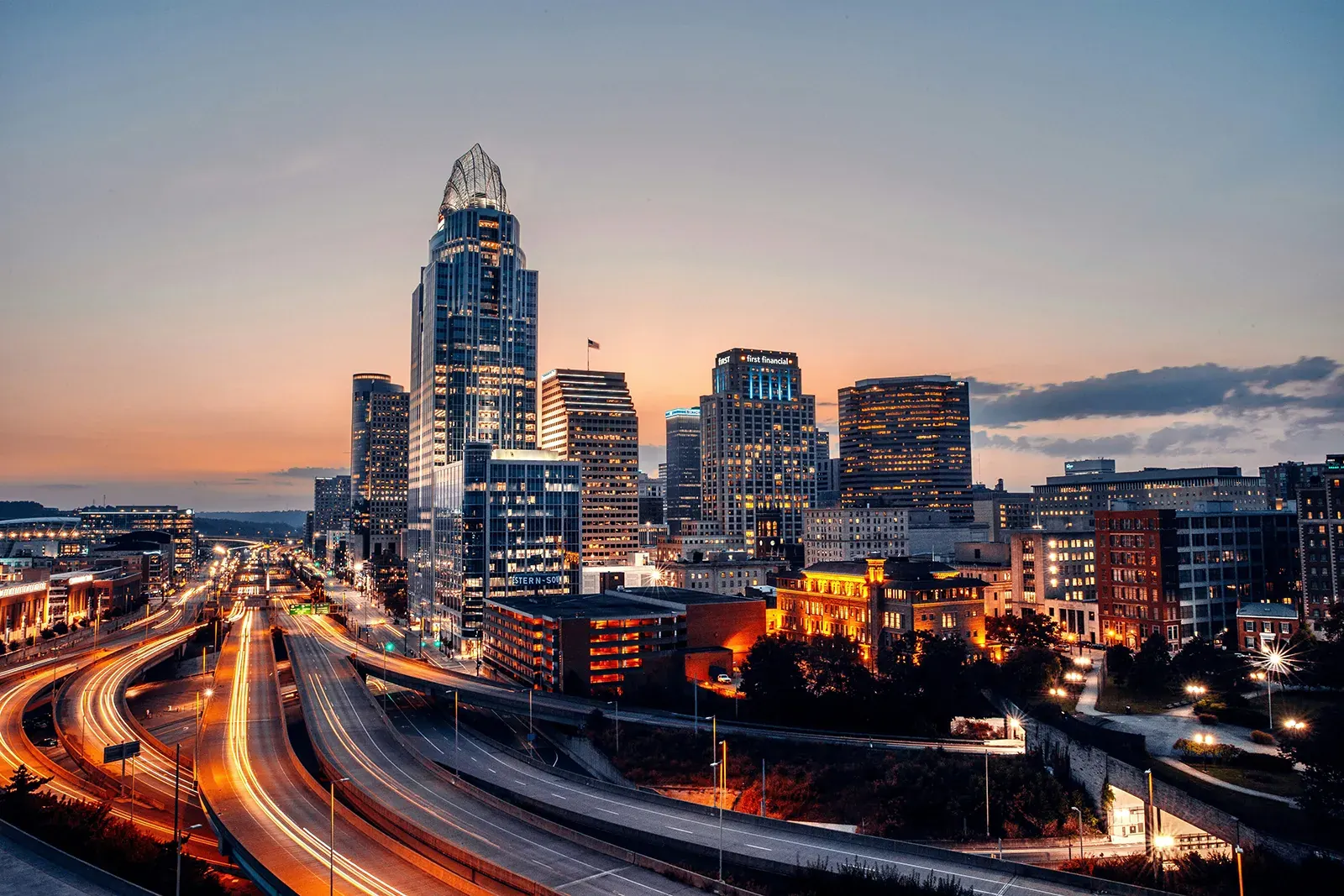
Cincinnati
 Late night groceries
 State income tax
Cincinnati was one of the surprises on this list. At least to me.
It is not here because it has the biggest restaurant scene in the country, and it is definitely not because servers and bartenders are making Vegas money everywhere they turn.
What Cincinnati does really well is balance.
There are enough higher end restaurants, steakhouses, bars and busy hospitality spots to give experienced FOH workers some real options, especially around downtown and Over the Rhine.
Places like Jeff Ruby’s, The Precinct, Boca and Mita’s show that there is legitimate higher check business here, not just a bunch of casual restaurants pretending to be a dining scene.
The bigger reason Cincinnati made the Top 5 is what happens after you make the money.
Housing and general cost of living are still much more manageable than in a lot of cities with similar restaurant opportunities, and that matters a lot when you are trying to actually keep some of what you earn.
The weather is going to depend on what you like. You get four real seasons, including a real winter.
But at least when it is cold in Ohio, you can get high legally, so there is that.
Ohio’s $5.50 tipped cash wage is not exactly something to brag about, but at least it is better than the $2.13 an hour that still exists in some states and has gone unchanged for 35 years.
Cincinnati also does not have the sheer depth of high earning FOH jobs you will find higher on this list, so getting into the right restaurant still matters.
But when you put the restaurant opportunities, affordability, safety and overall quality of life together, Cincinnati starts making a lot more sense than some might expect.
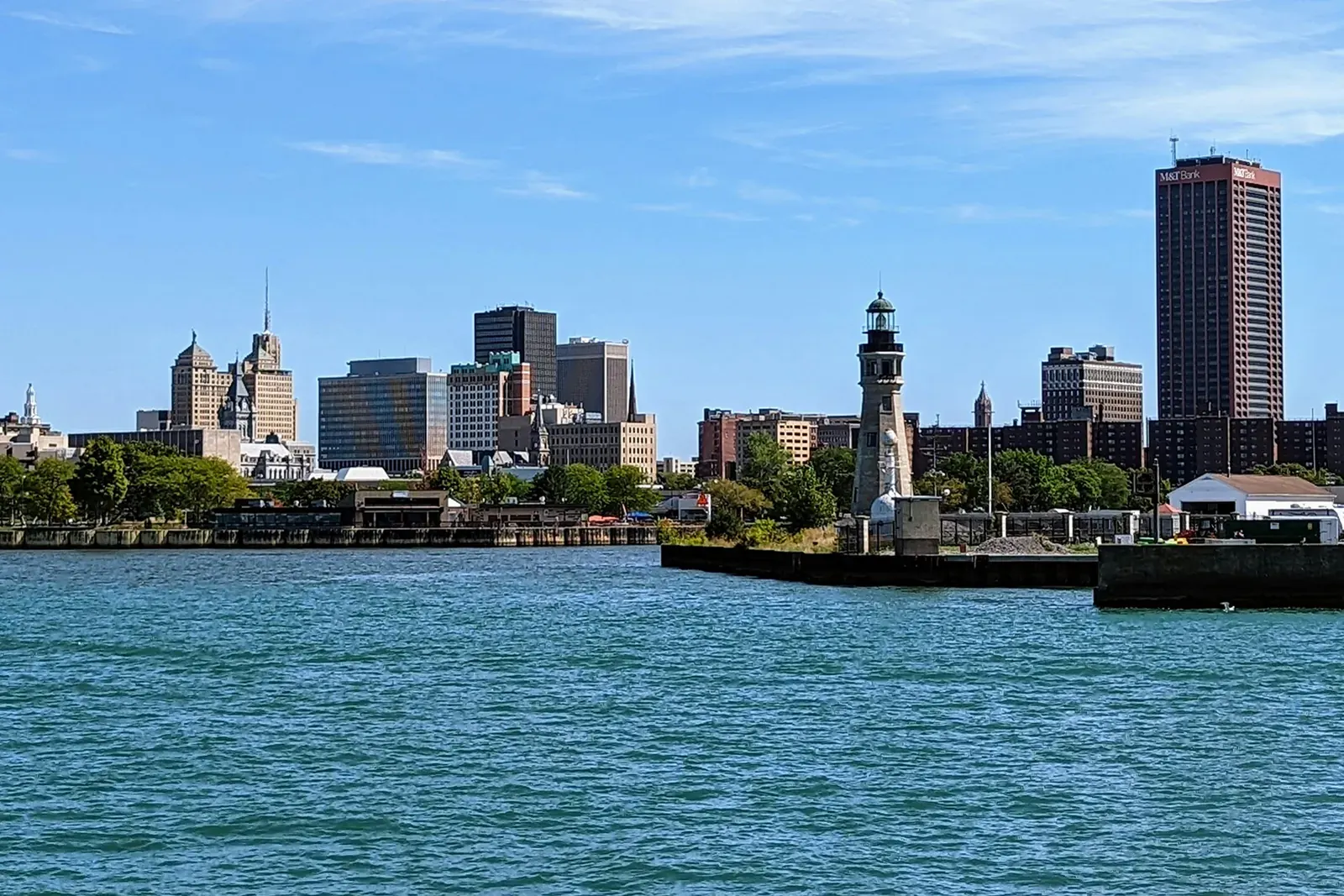
Buffalo
 Late night groceries
 State income tax
Buffalo was probably the biggest surprise on the BOH side of this list.
It is not a huge restaurant market, and it does not have the sheer number of kitchen jobs you will find in places like Vegas, Seattle, or Phoenix. What Buffalo does have is a pretty solid combination of kitchen pay, affordability, safety, and room to move up.
The median restaurant cook wage in our data was about $18.30 an hour, but the more interesting part is what happens as you move beyond the basic line cook level.
Current lead cook and supervisor jobs around the market were showing roughly $18.50 to $23.25 an hour, and a full time sous chef opening from Delaware North was listed at more than $62,000 a year with benefits.
That does not mean every cook in Buffalo is making that kind of money, but it does show there is an actual ladder here.
And unlike some cities where the pay looks great until you check the rent, Buffalo still gives BOH workers a fighting chance on housing. That was a big reason it scored so well.
The obvious downside is winter. Buffalo gets cold, snowy, and very Buffalo.
On the bright side, recreational weed is legal in New York, and if you are going to be snowed in, at least you can get high and argue with someone about who really invented the Buffalo wing.
The smaller job market is the biggest weakness here. Buffalo simply does not have the depth of BOH openings you will find higher on the list.
But if you can land the right kitchen, the combination of decent pay, lower housing costs, and advancement potential makes Buffalo a much stronger BOH city than most people would probably guess.

FRONT OF HOUSEBACK OF HOUSE
Phoenix
Late night groceriesState income taxLate night groceriesState income taxPhoenix is one of the few cities that works really well for both FOH and BOH.
It has a huge hospitality market, with thousands of full service restaurants, hundreds of hotels and resorts, and enough depth that there are real opportunities on both sides of the house.
Housing is not cheap anymore, but compared with some of the higher wage coastal markets, the overall balance still works.
I lived in Phoenix, so I can tell you the weather is a little more complicated than just saying it is hot. For a few months in the summer, it is hot as fuck.
Vegas is already brutally hot, and Phoenix is even hotter. But the other side of that is around 300 days of sunshine a year, and for much of the year the weather is beautiful.
The desert sunsets can be incredible, and every once in a while you get one of those lightning storms that makes the whole sky look insane.
If you need a break, Sedona is close enough for a day trip, and Flagstaff is not much farther if you want mountains, cooler weather, or even skiing.
Front of House
For servers and bartenders, Phoenix has enough higher end restaurants, steakhouses, resorts, bars, nightlife, and tourism driven volume to create real earning opportunities.
It does not have the same nonstop visitor machine as Vegas or Orlando, but it has enough premium venues and enough people moving through the market that experienced FOH workers have room to move around and move up.
Back of House
For cooks, Phoenix also has real depth. The median restaurant cook wage in our data was about $18.83 an hour, and the market has a large BOH job base.
Resort and hotel kitchens also create a better ladder into lead and sous chef roles than you will find in a lot of smaller markets.
Phoenix does not win this list by dominating one category. It gets here by being good at a lot of things at once.

FRONT OF HOUSEBACK OF HOUSE
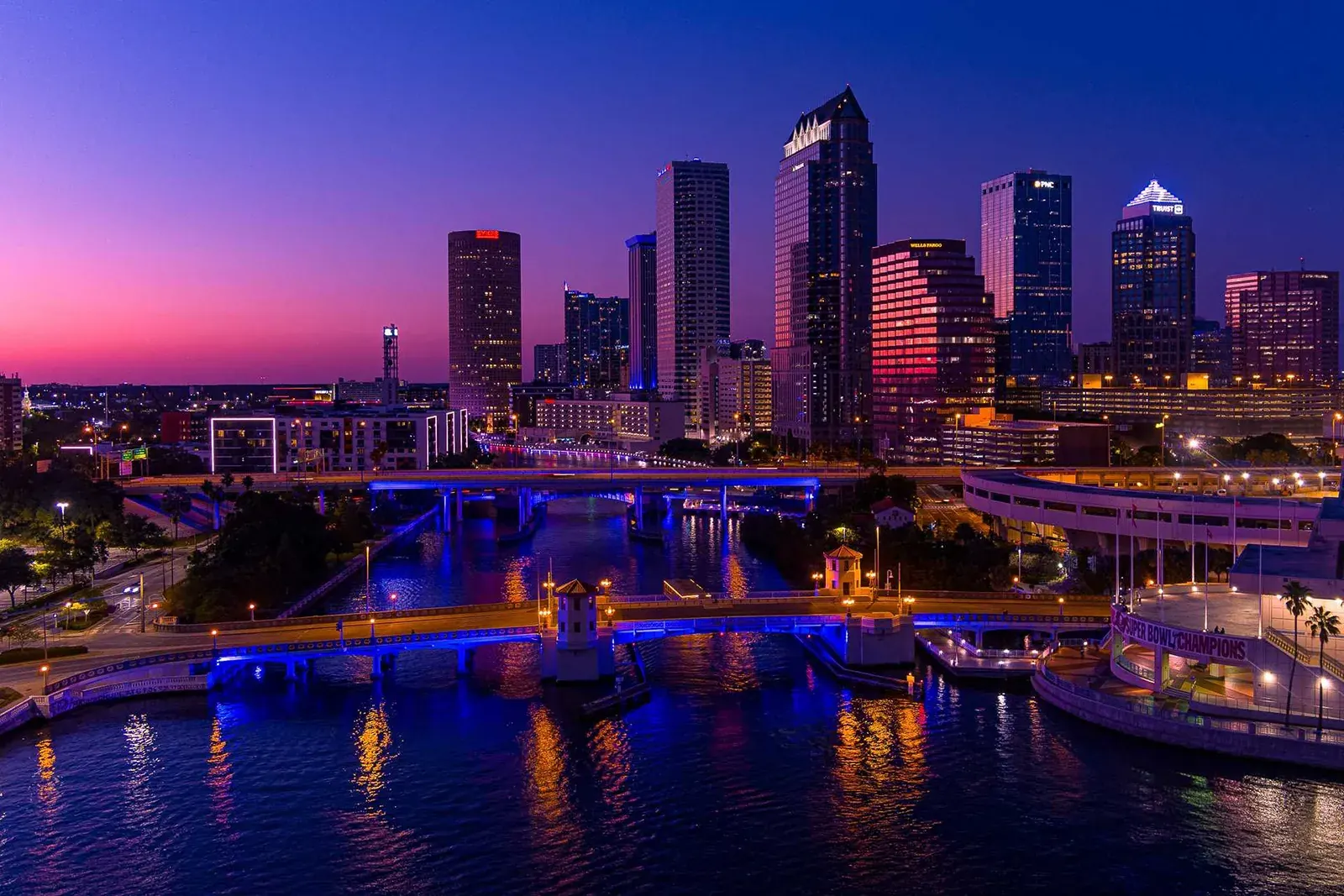
Tampa Bay
 Late night groceries: limited or unconfirmed
 No state income tax
Tampa has a lot going for it if you work FOH.
This is a major tourism market with a ton of restaurants, hotels, bars, events, sports, conventions, and people showing up ready to spend money.
Hillsborough County pulled in about $6 billion in direct visitor spending in 2025, which gives Tampa a real hospitality engine rather than just a decent local restaurant scene.
Florida has also quietly become a much better place for tipped workers over the past few years. As of September 30, 2026, the tipped cash wage is $11.98 an hour.
Add in no state individual income tax, and Tampa starts looking pretty damn good from the FOH side before you even get to the tips.
I have spent a lot of time in Tampa, and it is also just a beautiful city. The waterfront, palm trees, neighborhoods, and everything around the bay give it a look and feel that is hard not to like.
Weather wise, most of the year is pretty nice too. Summer is the exception.
The heat is one thing, but the humidity can feel like somebody threw a wet blanket over the whole state and forgot to take it off.
And Tampa itself does not feel quite as aggressively “Florida” as some other parts of the state. You still know where you are, obviously, but the concentration of Florida Man energy seems slightly diluted.
Florida still only allows medical marijuana, not recreational adult use, although the state has a large licensed medical dispensary system.
Housing is where Tampa starts giving some of those points back. It has gotten a lot more expensive, and the gap between what workers make and what it costs to live there is not as comfortable as it is in some of the more affordable cities on this list.
Still, when you put the tourism, restaurant depth, rising tipped wage, no state income tax, warm weather, nightlife, and Gulf Coast lifestyle together, Tampa gives experienced FOH workers a lot of ways to make a living and actually enjoy where they live.
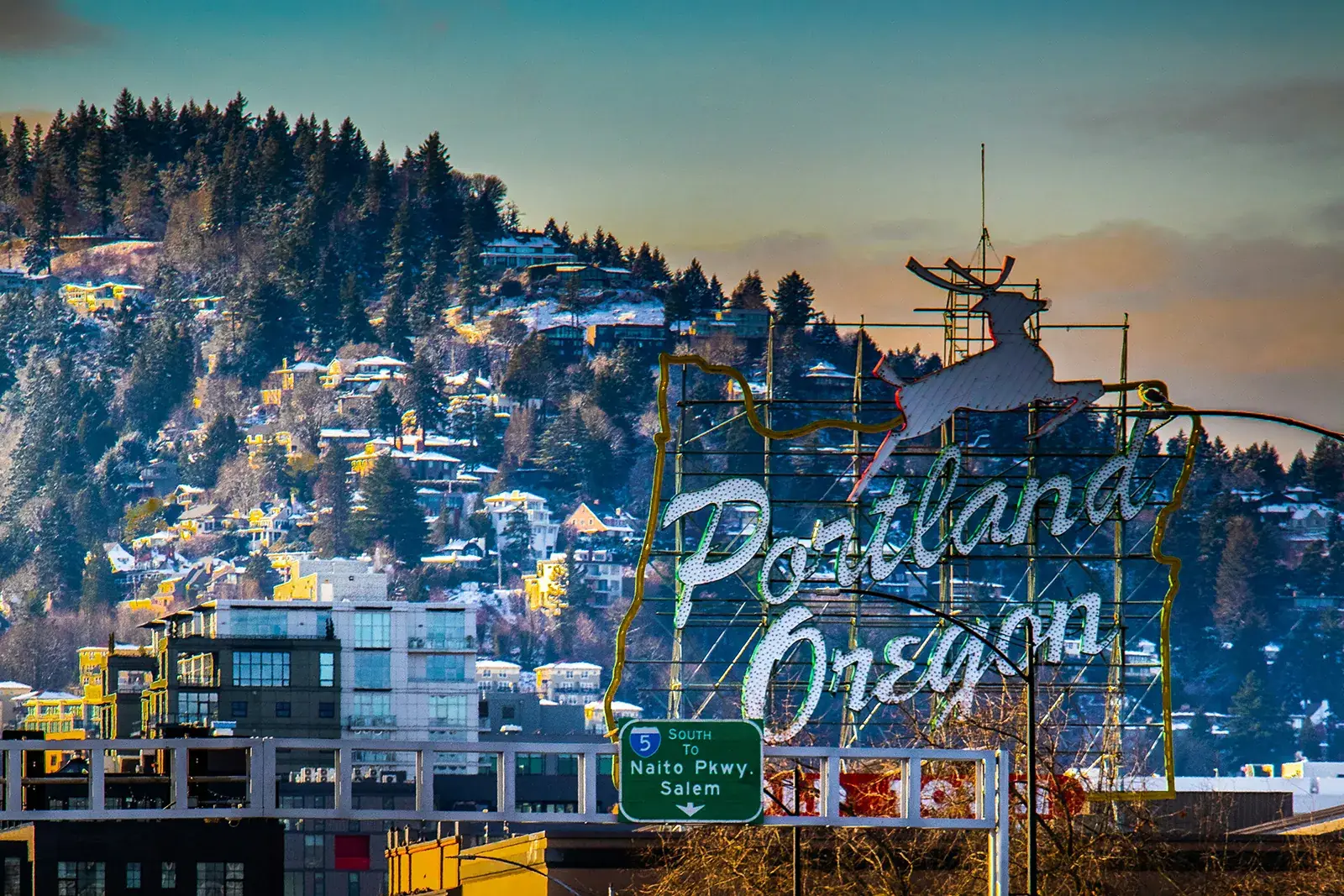
Portland, Oregon
 Late night groceries: limited or unconfirmedState income tax
Portland is not cheap, but unlike a lot of expensive cities, kitchen BOH workers actually get paid a bit closer to big city wages.
The median restaurant cook wage in our data was about $21.73 an hour, which immediately puts Portland in a different category from a lot of markets where cooks are still trying to survive on the high teens.
Current sous chef jobs were also showing roughly $27 to $29 an hour, with some salaried sous positions reaching around $70,000 to $75,000 a year. That does not mean every kitchen job pays that well, but it does show there is a real path upward.
Portland also has a deep restaurant culture and enough BOH jobs to give experienced cooks some room to move around instead of being stuck waiting for one good kitchen to open up.
The catch, obviously, is cost of living. Rent is not cheap, and Portland is not going to feel affordable in the same way Buffalo does.
But the difference is that the kitchen wages are at least doing some of the work to keep up.
Outside of work, Portland has a lot going for it too. Recreational weed is legal, there is easy access to mountains, forests and the coast, and if you are the kind of person who likes cooler weather, you may love it.
If months of gray skies and rain slowly destroy your soul, maybe not.
Portland made the Top 3 because the pay is strong, the restaurant scene is deep, and there is actual room for BOH workers to build a career instead of just bouncing from one underpaid line cook job to another.
See where all 55 cities rank →


FRONT OF HOUSEBACK OF HOUSE
Orlando
Late night groceries: limited or unconfirmedNo state income taxOrlando is probably the easiest city on this list to understand from a FOH perspective. People come here by the millions, they stay in hotels, they go out to eat, they drink, they celebrate, and they spend money.
Disney is obviously a huge part of that, but Orlando is a lot more than Disney. It is a big city with real neighborhoods, nightlife, sports, restaurants, bars, and plenty going on outside the tourist districts.
Some parts are exactly as Florida as you would expect, but most of Orlando does not feel like one giant theme park parking lot.
For FOH workers, the sheer size of the hospitality market is hard to ignore.
Orlando has more than 480 hotels and resorts, over 130,000 hotel rooms, and thousands of restaurants, which means there are a ridiculous number of places where an experienced server or bartender can potentially make money.
That includes everything from casual high volume tourist restaurants to luxury resorts, steakhouses, convention hotels, Disney properties, and legitimately high end dining.
Florida also helps. As of September 30, 2026, the tipped cash wage is $11.98 an hour, and there is no state individual income tax, so more of what you earn actually stays in your pocket.
The obvious downside is that Orlando is still Florida. Summers are brutally hot and humid, traffic around the tourist areas can be a nightmare, and housing is not nearly as cheap as it used to be.
But if your goal is to work FOH somewhere with a massive supply of hospitality jobs and a constant stream of customers who came to town specifically to spend money, Orlando is pretty hard to beat.
Seattle
Late night groceries No state income tax
Seattle is expensive as hell, but at least the kitchens know it.
The minimum wage in Seattle is $21.30 an hour in 2026, and employers cannot use tips to make up any part of that.
The median restaurant cook wage in our data was about $22.95 an hour, which is already higher than what a lot of experienced cooks are making in other cities.
And there is a real ladder above that. Current sous chef jobs around Seattle were showing salaries in the $70,000s and $80,000s, with some higher end hotel and executive sous positions climbing well beyond that.
So while Seattle is definitely not a cheap place to live, BOH workers at least have access to the kind of wages you would expect from an expensive major city.
The restaurant market is also deep enough that cooks are not depending on one or two good employers. Between restaurants, hotels, corporate dining, tourism, and a serious food scene, there are a lot of different directions an experienced kitchen worker can go.
The obvious problem is housing. Rent is expensive, and Seattle does not magically become affordable just because the wages are better.
This is still a city where a big chunk of your paycheck can disappear before you have even bought groceries.
Outside of work, though, Seattle has plenty going for it. Mountains, water, incredible scenery, legal recreational weed, and a city with a lot to do when you actually get a day off.
The weather is going to depend on your tolerance for gray skies and rain.
Seattle finishes #2 because the cost of living is high, but the BOH wages are high too, and there is real room to move from cook to lead to sous chef without having to leave the market to make decent money.

FRONT OF HOUSEBACK OF HOUSE
Las Vegas
Late night groceriesNo state income taxLate night groceriesNo state income taxLas Vegas is the only city that finished #1 for both FOH and BOH, and honestly, it is not that hard to see why.
This is a city basically built around hospitality. In 2025, Las Vegas welcomed about 38.5 million visitors, and all of those people need somewhere to eat, drink, sleep, gamble, celebrate, and make questionable decisions at two in the morning.
For restaurant workers, that creates a ridiculous amount of opportunity.
Front of House
For servers and bartenders, Vegas has almost everything you would want in one market: luxury hotels, celebrity chef restaurants, steakhouses, casinos, nightclubs, high end bars, conventions, massive events, and a constant stream of tourists who came to town expecting to spend money.
There is also no state individual income tax, which matters when a good FOH worker is bringing home serious money.
Vegas does have some seasonality, and summer can be a little slower, but the hospitality machine is still much more consistent than in a lot of tourism heavy cities.
Back of House
The BOH side is just as impressive.
The median restaurant cook wage in our data was about $18.65 an hour, but that number does not tell the whole story. MGM was advertising master cook positions at multiple properties for just over $27 an hour, including restaurant and banquet kitchens.
That gives experienced cooks a real path into better paying casino, hotel, banquet, and resort work.
There are also union and benefit opportunities in the market that simply do not exist at the same scale in most restaurant cities.
And while Vegas is not dirt cheap anymore, housing is still more manageable than places like Seattle, San Francisco, Los Angeles, or New York. Our HUD one bedroom benchmark was about $1,435, which helps explain why the wages actually go further here.
The obvious downside is summer. It gets brutally hot.
But it is a dry heat, which is what everyone in Vegas says right before you open the car door and your face melts off. Still, with the low humidity, 90 degrees can actually feel pretty good, and Vegas gets around 300 days of sunshine.
And if you really cannot take the heat, you can drive about 45 minutes up toward Mt. Charleston and Lee Canyon, where summer temperatures can be around 30 degrees cooler than the valley.
In winter, you can even go skiing or snowboarding up there, which is not exactly what most people picture when they think of Las Vegas.
Recreational weed is legal, late night life is obviously not a problem, and if you work restaurant hours, Vegas may be one of the few cities in America that actually seems designed around your schedule instead of expecting you to live like everybody else.
But here is a real warning. If you have an addictive personality, Vegas can be a dangerous place to live.
Drinking, drugs, gambling, nightlife, all of it is available around the clock, and one of the biggest potential downsides of Vegas can honestly be yourself. It is all there 24/7. So if that is an issue for you, look at a different number on this list.
Vegas did not win because it was perfect in every category.
It won because very few cities combine this much hospitality volume, this many high paying opportunities, relatively manageable housing, no state income tax, and a lifestyle that actually works for people who get off work when everyone else is going to bed.
For both FOH and BOH, Las Vegas finished #1.
Just Missed The Cut
FRONT OF HOUSEBACK OF HOUSE
A few cities came really close to making the Top 5, and in some cases the gap was tiny.
Late night groceriesNo state income taxDallas had a huge restaurant market and strong job depth, but Texas still allows a very low tipped cash wage, which hurt it badly in our model.
Late night groceries: limited or unconfirmedNo state income taxHouston had plenty of opportunity too, but safety dragged the score down.
Late night groceries: limited or unconfirmedNo state income taxSan Antonio benefited from lower housing costs, but the earning side was not quite strong enough to push it into the Top 5.
Late night groceriesState income taxSan Francisco had some of the strongest cook wages we found anywhere, but the housing costs are absolutely brutal.
Late night groceries: limited or unconfirmedState income taxDenver was much more balanced and had a restaurant cook median around $21.33 an hour, but housing and the overall cost structure kept it just outside the cut.
Late night groceries: limited or unconfirmedState income taxMinneapolis St. Paul also scored well, with a better affordability picture than some of the higher wage coastal markets.
And this is where the rankings get really close. A different apartment, a better job offer, a shorter commute, or just putting more personal weight on weather or lifestyle could easily move one of these cities ahead of #5 for you.
That is why I would not look at the Top 5 like there is some giant wall between fifth and sixth place. There really isn’t.
So, Where Should You Go?
There is no perfect city for all food and beverage workers.
Some people are willing to pay more for better weather. Some want the biggest possible earning ceiling.
Some would happily take a little less money if it means they can actually afford an apartment without three roommates. And some people would rather freeze their ass off than spend another summer in Florida or Arizona.
That is why I would not treat this list like a set of instructions.
Use it as a starting point or a guide to see what suits you.
If you are thinking about moving, look at the cities that fit the way you actually want to live, then dig into the full rankings and the numbers behind them.
Because the best city for restaurant workers is not necessarily the city with the fanciest restaurants, the most Michelin stars, or the biggest tourism industry.
It is the city where you can find a decent job, make enough money, afford to live there, and still have some kind of life when your shift is over.
If your zip code isn’t cutting it, maybe it’s time for a new one.


Trending

Weighing Culinary Diplomas Against Kitchen Battle Scars

“I Was Wrong, Kinda”

Fear And Loathing In Woody Creek

The Top 5 Cities For F&B’rs

Nuts & Napkins

The Manager On Duty

Non-Slippin In The Kitchen

Suing The System

Hooking Up With Coworkers

Serving Philanthropy with a Side of Santo