

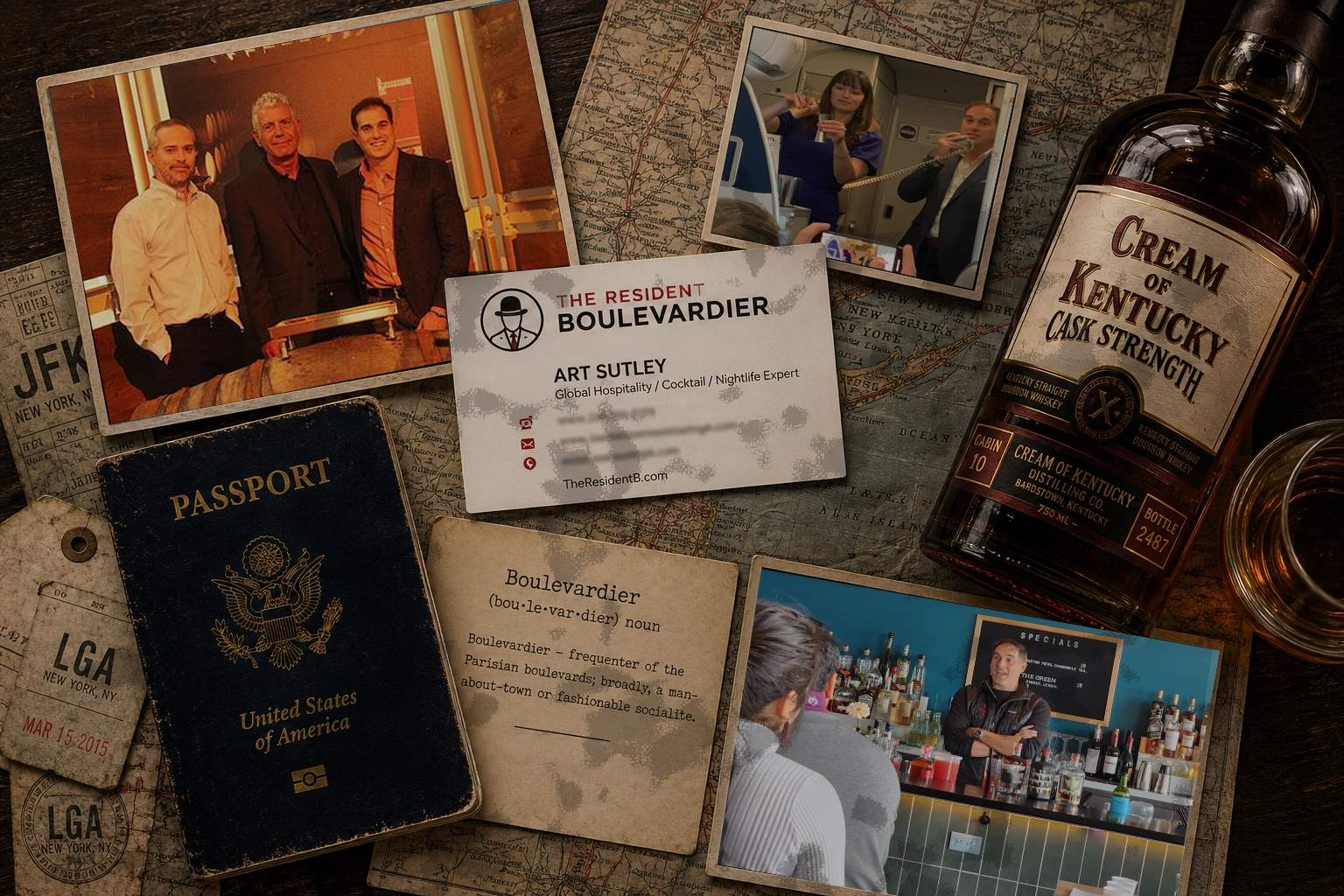
Bourdain-ing
Sauce-Stained Aprons, Trade Show Stages, and How Art Sutley Earned the Title of F&B’s Resident Boulevardier
| Estimated Reading Time: 7 Minutes
“Hey, Jerry!”
That was Phil Wills calling out across the floor at the Bar & Restaurant Expo in Las Vegas. He had spotted my 86’d Me shirt from across the room.
After catching up for a minute, Phil smiled, turned to the guy standing next to him and said,
“Jerry, meet Art.”
I already knew of Art. I’d seen him on Bar Rescue and knew he’d just led a session called “Creating Experiences Guests Can’t Resist” alongside Phil and Mia Mastroianni, but that was about the extent of it.
As we talked, Phil brought up that Art actually started out by publishing a hospitality magazine.
I’ll admit… my ears perked up a little.
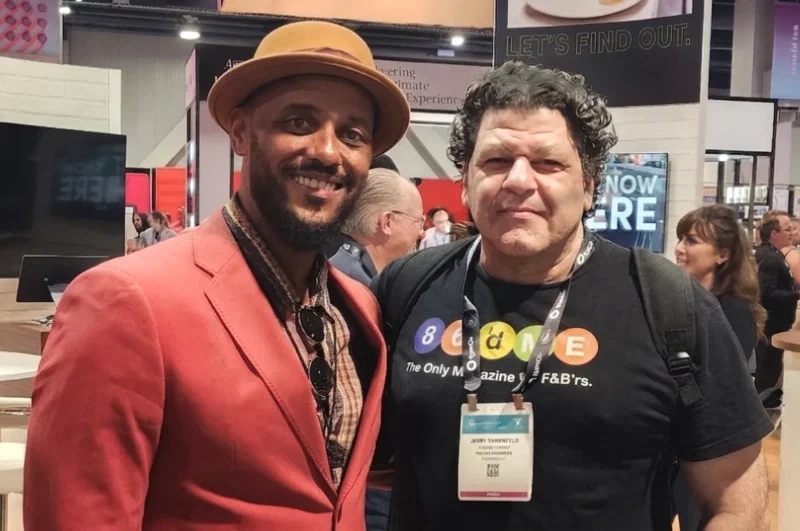
Jerry and Phil Wills at Bar & Restaurant Expo | Image by Phil Wills and Jerry on the floor at the Bar & Restaurant Expo (photo snapped by Art Sutley himself!
I’ve spent most of my adult life working in restaurants and bars. A couple of years back, I had this crazy idea to start a magazine for people in our industry.
Art, as it turns out, is a consultant, though he prefers not to use that word.
He’s appeared on Bar Rescue, worked with Jon Taffer, David Phinney, and Jason Santos, to name a few.
He calls himself “The Resident Boulevardier,” but what does that even mean?
What actually makes someone a bar or restaurant expert? I’ve known plenty of people who’ve spent decades in this business who are anything but experts.
I was lucky enough to sit down with Art over some cocktails and dinner, figure out what makes him tick, and how he earned that title.
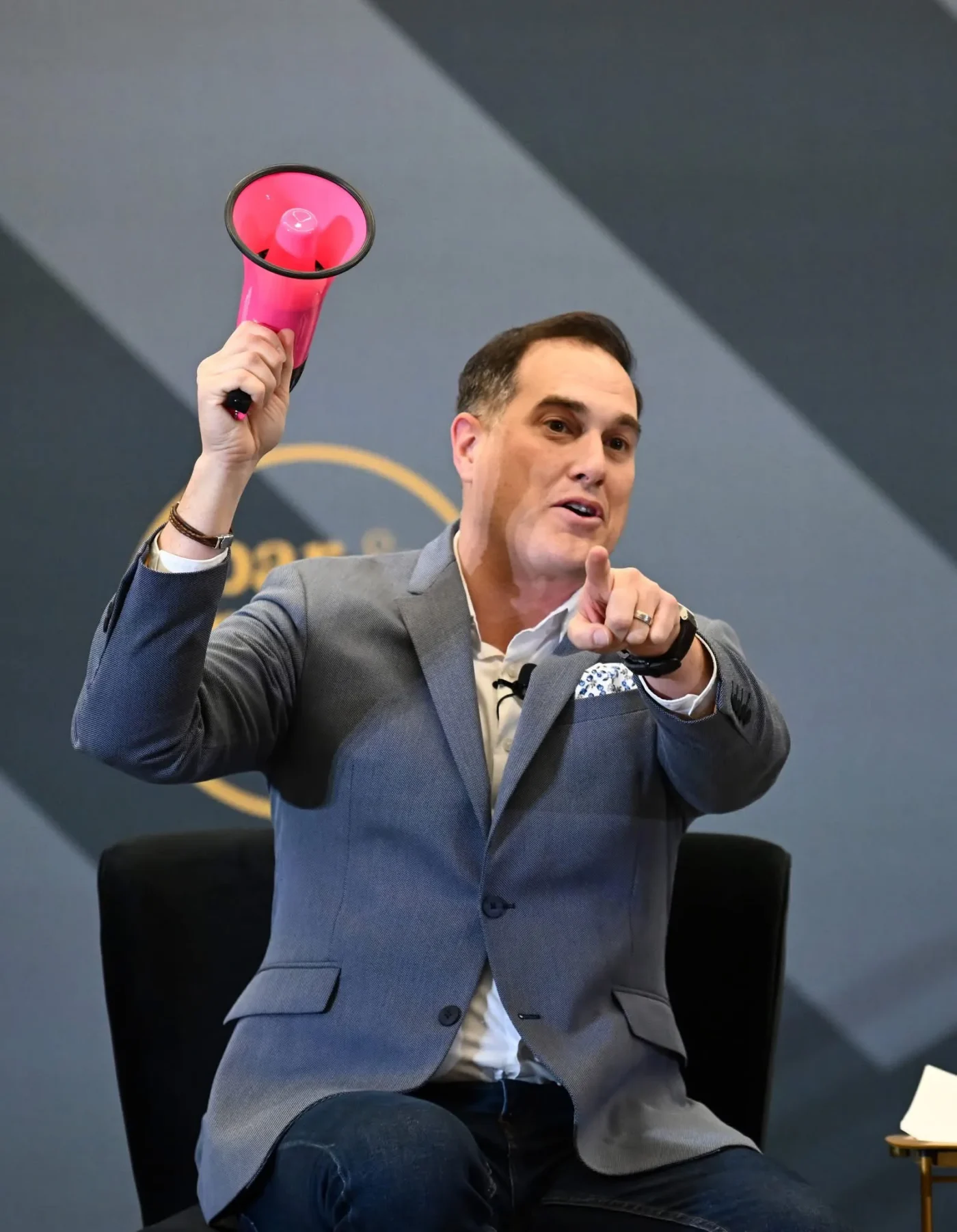
Art Sutley Speaking on Stage at Bar & Restaurant Expo | Image by Art Sutley commanding the stage at the Bar & Restaurant Expo during his panel session
In central New Jersey, his great-grandfather had a well-known bar in Red Bank called Sal’s Tavern, named after his grandfather Salvatore.
His grandmother’s brothers eventually took over and expanded to a second spot in town, the Old Union House.
At 15 years old, before he was even technically allowed to work, Art was in there bussing tables.
He took pride in it early, and not just the kind you’d expect from a teenager. Right from the start at Sal’s Tavern, he made it a point of pride to keep his apron spotless.
No tomato sauce, nothing. After a couple of days of pulling it off, the cook noticed and wasn’t having it.
“Okay, well, I’ll fix that,” Art remembers him saying, right before the cook took a spoonful of sauce and threw it across his apron. “Now you look a little bit more like us.”
It’s a small moment, but it says a lot about how Art talks about those early years. Not as a stepping stone he was waiting to get past, but as something he genuinely loved.
“You just know it’s made for you, and you’re smiling and you’re just moving a mile a minute bussing tables.”
Art Sutley
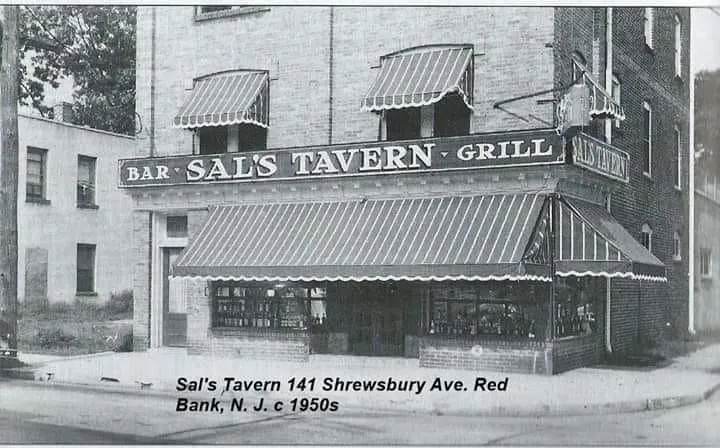
Sal's Tavern - Red Bank, New Jersey (c. 1950s) | Image by The historic exterior of Sal's Tavern at 141 Shrewsbury Ave, Red Bank, NJ, circa the 1950s.
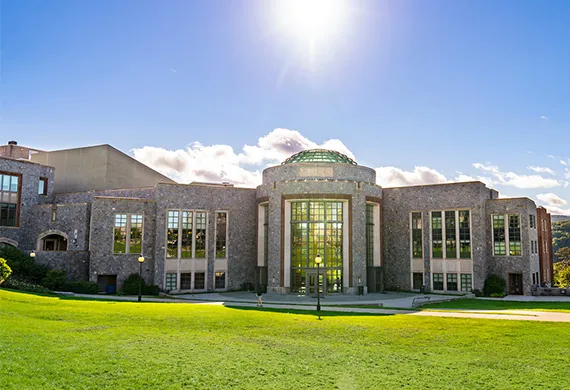
He made his way through school working the door and bartending at two bars in Poughkeepsie, two hours from where he grew up, while studying business marketing at Marist University.
If you’d asked him back then where he’d end up, he’d have told you Wall Street.
He wrote it in his high school yearbook: finance, New York a plan that never happened.
It started at a bar he used to stop into during his freshman year, just to see if they needed help.
One day they did.
He started at the door checking IDs, collecting covers, directing traffic. Then one night a bartender called out, and they asked if he could step in. He’d never really bartended before.
He had to morph into someone else. Said yes anyway, and something clicked. He got obsessed with the math of it, how fast he could move, how the bar was laid out, why things were placed where they were.
“I began mirroring the bar, subconsciously,” he says, “never knowing that these were things I would, early on in my career, be teaching bars that weren’t doing that, as the most basic type of being more efficient.”
Two bars, actually: Backstreet Pub, long gone now, and the Derby, still standing.


Through Bar Business Magazine, Art met Jon Taffer, years before Bar Rescue existed. They crossed paths at trade shows, back when the show was just getting off the ground.
“I was so honored to be invited onto the sets of Bar Rescue, and do some recon for the show.”
Art Sutley

Jon Taffer and Art Sutley | Image by Jon Taffer and Art Sutley talking
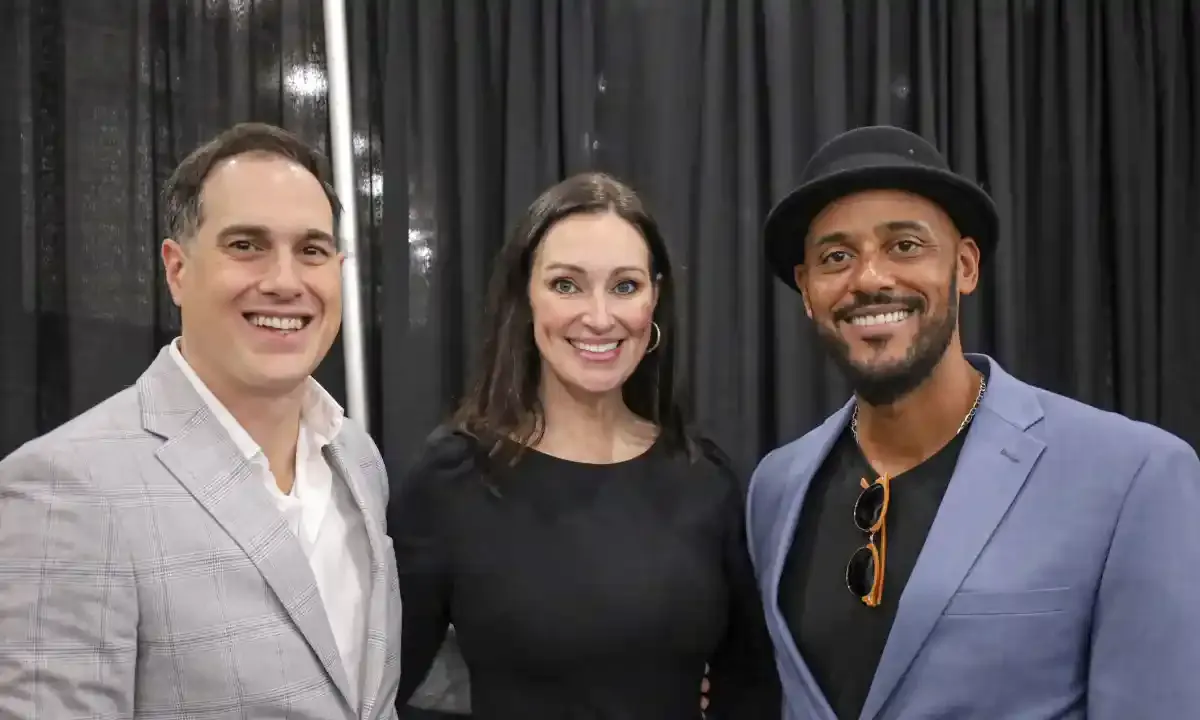
The Super Squad: Art Sutley, Mia Mastroianni, & Phil Wills | Image by The Super Squad back together: Art Sutley, Mia Mastroianni, and Phil Wills
David Phinney came into the picture a different way, through the work itself. When one of the best wine producers in the world knocks on your door, you answer.
Full disclosure, Phinney’s also my personal favorite.
Dave Phinney had already made his name several times over by then, The Prisoner, Orin Swift, brands that redefined how Napa wine got made and marketed, before he turned to spirits with Savage & Cooke, his companion piece to Orin Swift.
“I always keep myself attached to a brand I really believe in that I want to grow,” Art says. “And that first step for me was getting called from Dave Phinney, the famed winemaker.”
The offer came together at Phinney’s estate in Napa, Jamie at his side.
It wasn’t just proximity to a big name. Art spent four and a half years there, and the partnership worked because of how much room he was given.
“They were one of the first people that said, go be you while you grow our brand, because they are intertwined,” he says. “The better that Art Sutley goes out and educates people, they will look to him and say, what else is he doing, and inherently will help the brand.”

“Who I choose to work with is as important as their name is important. It is my name. 100%.”
Art Sutley
That’s how Cream of Kentucky came into the picture, a historic brand dating back to 1888, one that survived Prohibition and changed hands more than once before its current owners bought the rights about 15 years ago.
When he first got samples to taste through, he didn’t just trust his own palate. He handed it to his wife, Jamie, who he calls not quite a novice brown spirit drinker, but close.
“She’s like, oh man, that is really, really good. Who the heck is this Cream of Kentucky?” he says. “And she goes, give me the cask strength.”

For as much energy as he brings to a room, Art says it doesn’t come easy.
“I am an anxious person,” he says. “I’ve learned to take that negative anxiety and use it for positive energy.”
Whatever it costs him internally, it doesn’t show. “Every person that comes to me gets the same level of respect, emotion, and time when they come up to me,” he says.
Among the stories Art shared with me was how he came to know Anthony Bourdain
Art’s connection to him started on assignment. In 2015, Bar Business Magazine sent Art to cover The Balvenie’s Rare Craft Collection, an event Bourdain himself had curated.
We all know Bourdain was a legend in our world. I can only imagine what it must have been like to actually get to know him a little (I’m a bit jealous).
One conversation stuck with him more than any other.
Bourdain’s advice was simple, as Art remembers it. “Wherever you go, whether it’s a government showing off its distilleries or a brand flying you out to where it’s made, they’re going to put you in the best hotel, the best part of town, show you the best of everything,” he told Art.
It made Art realize he’d been falling into that exact pattern, best hotels, best restaurants, always being shown around.
“I started booking my own time in my contracts when I would go, so I would have free time,” he says.
His friends have a name for it now. They call it Bourdain-ing.
At a Balvenie event in New York, Bourdain pointed him toward a back elevator, told him it would be faster. Art got in, and a moment later, in walked Martha Stewart.
He happened to have a bunch of Silly Bandz on his wrist that day, the little rubber band bracelets shaped like animals, borrowed from his nephew. Martha Stewart noticed.
“She’s like, oh, what Silly Bandz do you have?” he says. “I’m thinking to myself, what a moment, right? I’m sitting next to Martha Stewart and we’re going to talk Silly Bandz of all things. I love moments like that.”
He never asked, but he’s pretty sure Bourdain knew exactly who else was heading up that elevator.
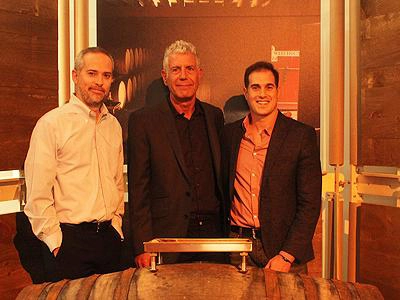
“It’s always good to be in great people’s orbits in any way, whether it’s a blip or a long extended period of time.”
Art Sutley, on Anthony Bourdain
“You don’t have to have super in depth conversations with really great people for them to have an influence on your life and your career.”
Tony Di Napoli’s, a bottle of “Eight Years in the Desert” on the table. A few sauce smears on the tablecloth. Art gliding from conversation to conversation.
Spend enough time in this industry, and it leaves its fingerprints on you.
The job teaches you far more than service. It teaches you how to connect with people, earn their trust, solve problems on the fly, and keep showing up for others.
Those lessons don’t expire when you’re off the floor. For some people, they become the foundation for everything that comes next.
Now that I think back on it, Art was Bourdain-ing, without me even knowing it.

Trending
Weighing Culinary Diplomas Against Kitchen Battle Scars

“I Was Wrong, Kinda”
Fear And Loathing In Woody Creek

The Top 5 Cities For F&B’rs
Nuts & Napkins
The Manager On Duty
Non-Slippin In The Kitchen
Suing The System

Hooking Up With Coworkers
Serving Philanthropy with a Side of Santo