


All or Nothing
Chef Silvia Garcia-Nevado on being underestimated, losing Bar Vinazo, and betting on herself

| Estimated Reading Time: 5 Minutes
ne evening, mid-service,
a guest approached the pass at Bar Vinazo—a Spanish wine bar in Park Slope, Brooklyn. He wanted to speak with the boss. She acknowledged this, asking how she could help.
“No,” he said. He wanted to speak to him. He pointed at a young man standing behind her.
She looked at her employee. He looked at the patron.
In that moment, the customer realized his mistake. Chef Silvia Garcia-Nevado ran the restaurant, and the white, tattooed man behind her was trailing for the evening.
At 24, she had already opened and was running a restaurant.
But as many women in charge come to realize, holding command does not necessarily mean people see you that way. For much of her career, people underestimated her abilities.
Not only was she young, but she was a woman in professional kitchens surrounded by male counterparts. Instead of letting outward opinions shrink her, she led with grit.
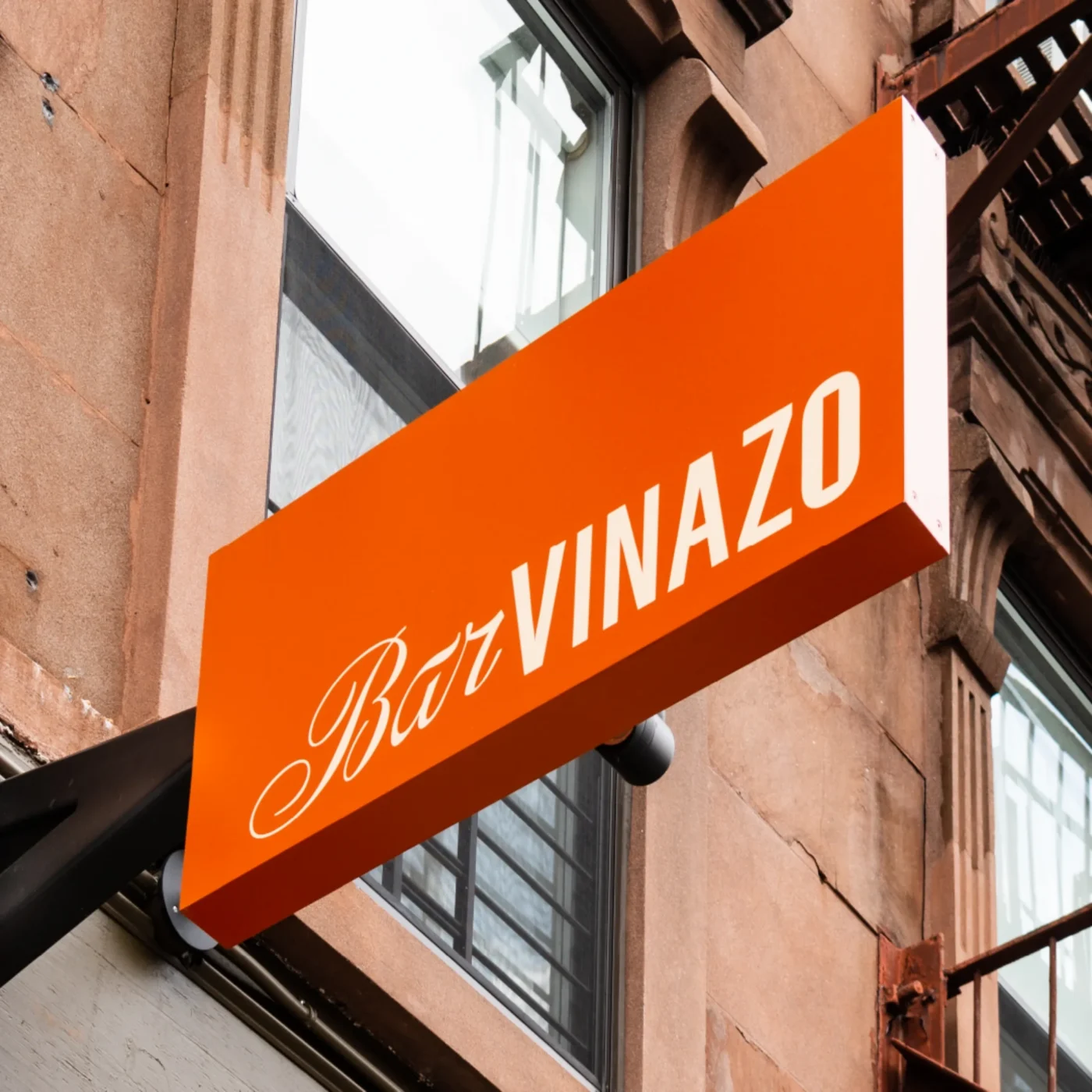
Bar Vinazo Exterior Signage | Image by Exterior signage at Bar Vinazo.
Philosophies like this have carried her down a path that hasn’t always been perfectly straight, but it has yet to deter her.
Her connection to food began long before she even stepped into a professional kitchen.
She moved to the United States from Spain at a young age with her parents, and food became how her family built a new life in a new place.
It was how they made friendships and hosted gatherings.
Friends invited her family over for Korean barbecue. Her grandmother in Spain prepared and set up Christmas dinner. Food, she says, was always an experience.
When she began thinking about what she wanted to do with her life, she realized she would wake up every morning and spend years doing just that.
Food was it.
She could sit in an office, maybe become an accountant, or she could get up for work to craft menus, taste food, and meet people who were just as passionate about it.

“I realized that for me, food was the job that I was willing—and wanting—to get up and do.”
Food was not only a representation of community for Garcia-Nevado, but it was also an act of ever-changing creativity. She had gone to art school, but she felt uneasy about the permanence of artwork.
Food offered a different kind of creative freedom.
In a restaurant, nothing has to be permanent. A menu can change. Some of the best ones constantly do. A dish should evolve. You can always remold tomorrow. And the next day or the day after that.
That constant process was a lesson used throughout her career. Before culinary school, she needed three months of professional experience. She began as a prep cook at Black Barn in the Flatiron.
She remembers standing in the kitchen, at 17, giving herself a pep talk as she prepared the lobster bodies and claws separately.
“Like, no, this is totally fine. I’m killing an animal, but, like, it’s fine,” she remembers thinking. “I want this job. I want to do this.” She stuck with it.
She went on to the Culinary Institute of America upstate while working weekends at Buddakan, where she eventually completed her externship.
From there, she continued working in New York City restaurants, including the Standard.
And after several years, she made the executive decision to be bold.
She opened Bar Vinazo under the ownership of Ilyssa Satter and Joe Campanale. But even with that kind of life vest, self-doubt, she says, was one of the biggest obstacles she faced.
Looking back, the moments riddled with exasperation became moments she could relive with a sense of satisfaction—like the patron who walked in with incorrect assumptions.
At the time, it was one more reminder that she would have to prove what she already knew about herself. But she did.
The restaurant eventually closed, bringing new challenges. It would have been easy to connect the experience as evidence that doubts had been justified.
THE OTHER SIDE OF THE STORY
Read about Bar Vinazo’s closing from a server’s perspective: The Little Restaurant That Couldn’t
She had moments when she wondered if outside viewers might speak of the closure with hushed whispers of being too young or not qualified to take on the responsibility.
She, instead, reminded herself that she had done something difficult and taken a risk. It was a lesson and a blessing.
The chef had put herself in a position most people never have the courage—or opportunity, for that matter—to experience.
“I did that,” she says.
The restaurant closing wasn’t the end of her story.
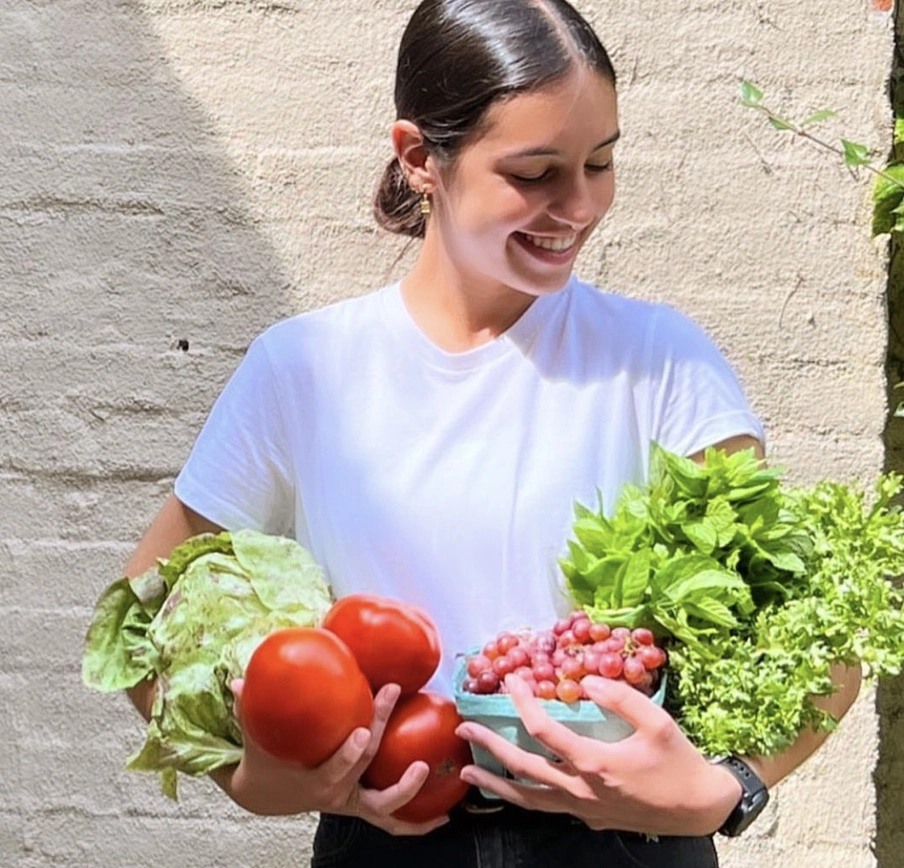
Rather, it became an end of the beginning for her.
After the restaurant, she began doing consulting work, helping other restaurants open. She discovered that she genuinely enjoyed helping someone else’s vision become reality.
Nonetheless, the more she helped others build their dreams, the more she began thinking about what her own might be.
She had learned how to operate a restaurant. She knew how to open one. She knew how to connect people with representatives and resources.
She had accumulated years of experience in an industry that had once felt intimidating.
“As much as I love helping other people, I think I’ve come to a point where if I’m able to share my knowledge on how to operate, how to open, how to connect people to reps and all that stuff, that means that I think I have the tools to be able to do something that’s 100% my own.” Now, that’s exactly what she’s trying to do.
Success isn’t necessarily a restaurant that stays open forever.
It isn’t a particular title, a certain amount of money, or becoming famous.
For her, success is waking up and feeling good about the life you’re living.
Money matters, of course. Everyone wants to be comfortable. But financial success alone isn’t “making it”.
Instead, she wants to wake up excited about a project. She wants to be happy with what she’s doing. And perhaps that is what makes her story especially relevant to anyone working in food and beverage.
The industry can be demanding, but a setback doesn’t have to erase everything you gained from an experience. Sometimes the restaurant that closes teaches you how to build the next one.
Sometimes being underestimated teaches you to trust yourself. Sometimes helping someone else build their dream shows you that you’re ready to build your own.
And sometimes success isn’t about arriving at some sort of final destination at all.
It’s about waking up, finding something you care about and, as Silvia Garcia-Nevado has done from the beginning, giving it your all.
Stories of people who got their start in hospitality.


Trending

Weighing Culinary Diplomas Against Kitchen Battle Scars

“I Was Wrong, Kinda”

No Tax on Tips: The 2026 Guide to Your $25,000 Tax Deduction

The Top 5 Cities For F&B’rs

Fear And Loathing In Woody Creek

Nuts & Napkins

The Manager On Duty
Non-Slippin In The Kitchen

Hooking Up With Coworkers

Suing The System